

Every time an e-commerce platform announces growth figures, another assertion emerges that traditional pet shops are nearing the end of their careers. This assertion sounds reasonable, but it doesn’t align with the distribution data of the industry itself. This article frankly raises the question: does the brick-and-mortar store channel truly offer opportunities, where are the real weaknesses, and what changes does a traditional store need to make to avoid being eliminated?
Predictions about the demise of pet stores are being misinterpreted.
The familiar argument often follows three steps: e-commerce is growing rapidly, young buyers prefer ordering by phone, so pet stores will decline. The problem with this argument is that it uses the speed of one channel to infer the market share of the other, while the two are not interchangeable. A small, fast-growing channel can remain small for many years, while a large, slow-growing channel continues to be where most of the money flows. The Vietnamese pet food industry is in exactly that state. The debate isn’t whether stores will disappear, but which types of stores will. For those running a pet shop, the most helpful approach is to separate two risks: channel risk and model risk. Specialized channels haven’t yet faced survival risk, but passive sales models do, and that’s what needs to be addressed this year.
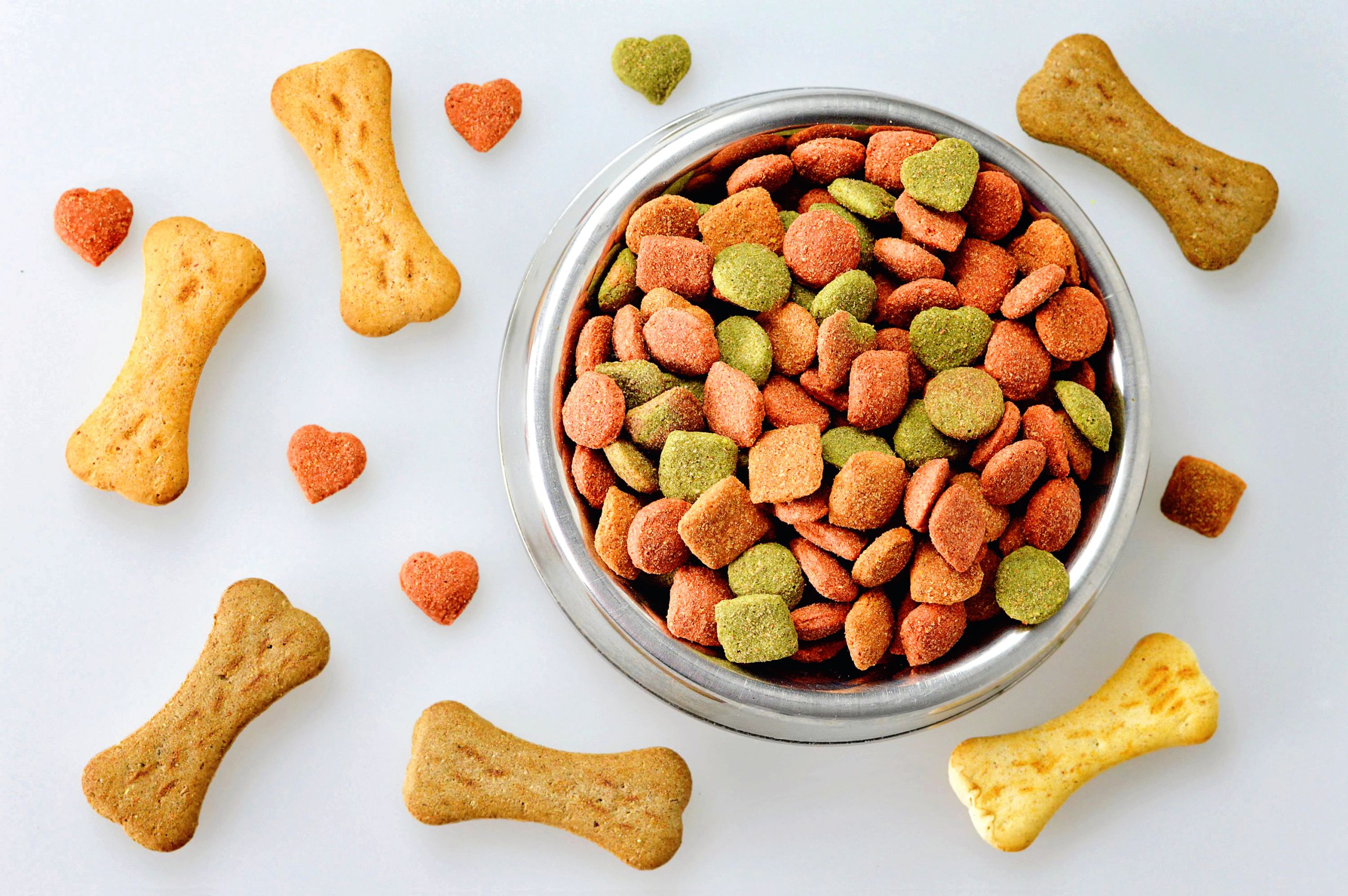
What does the 72.44% figure say about pet stores?
According to Mordor Intelligence, specialized stores, including pet shops and veterinary clinics, will still account for approximately 72.44% of Pet Food revenue in Vietnam in 2025. The same report notes that the online channel is the fastest-growing channel in the industry, with a compound annual growth rate of approximately 9.33%. Putting these two figures side-by-side reveals the true picture: online growth is rapid but starts from a very low base, while nearly three-quarters of revenue still comes from specialized pet stores. This isn’t a remnant of an old, dying model, but a direct consequence of the industry’s unique characteristics: buyers need to be able to ask questions, exchange items, and pick up their pets immediately when they run out of food. The implication for store owners is quite specific. You don’t need to rush to pour all your resources into online sales to save revenue. The more urgent task is to fully exploit the market share already belonging to your channel, as that share is much larger than the daily anxiety behind the counter.
Breed, age, and weight-based advice is a natural barrier.
Pet food is a consumer product, yet it has the characteristics of a product requiring consultation. The same cat’s diet for a one-year-old will differ significantly from that of an adult; an overweight dog will need a different formula than a highly active dog; and pets with a history of allergies, urinary stones, or poor digestion will require specific product lines. First-time pet owners often lack the knowledge to make informed choices, and online product descriptions don’t solve this confusion. A salesperson at the counter can ask three questions and provide accurate recommendations in a minute. This is the underlying reason why competing with e-commerce platforms doesn’t necessarily have to be about price. Store owners should invest in this area: standardizing the consultation questions for staff, recording the breed and weight of each pet, and making their consultation skills something customers will want to return for.
Request for return/exchange if pet food is unsuitable.
There’s a common situation that online retailers handle poorly: pets refuse to eat, or experience digestive problems after eating. With an opened bag of food, online buyers almost certainly lose their money because the return process isn’t designed for this situation. Conversely, a trusted retailer might offer a different flavor, a different brand, or allow customers to try a small sample before buying a larger bag. This significantly reduces the buyer’s financial risk, and it’s a value they’re willing to pay a few percent extra for. Pet shop owners should view their return policy as an investment, not an expense. A sensible approach is to clearly define return conditions, keep samples readily available for each main product line, and agree in advance with suppliers on the return process. When customers know they are protected, their purchasing decisions become much quicker.
Short repeat purchase cycles and large package weights.
Pet food is a consumable item with a very short purchase cycle, usually only a few weeks per bag. Two characteristics associated with this cycle benefit physical stores. First, when consumers need to repurchase multiple times a year, they prioritize nearby and trusted vendors over cheaper options that require longer delivery times. Second, the large, bulky, and heavy packaging means that shipping costs significantly erode the price difference offered by online channels, especially in the main meal segment. This explains why online transactions are concentrated in the low-priced accessories and supplies category. Store owners should capitalize on this advantage instead of ignoring it: accept phone orders and deliver within a few kilometers, offer recurring delivery packages for customers buying large bags, and always maintain sufficient stock of best-selling items so customers never have to buy elsewhere.
Pet care services are a revenue stream that the platform doesn’t touch.
The biggest structural advantage of a physical point of sale is its ability to offer additional services. An online store might only sell product boxes, while a physical store can simultaneously offer pet spa services, grooming, holiday boarding, or partnerships with veterinary clinics. Pet care services generate a separate revenue stream from merchandise and encourage repeat business, with each return offering a chance to sell pet food. This is also why industry data groups pet shops and veterinary clinics together as specialized channels: both sell products based on a care relationship, not a one-time price comparison. For store owners, the practical approach is to start with a simple service, such as bathing and nail trimming, measure how much revenue each service generates from merchandise, and then gradually expand based on that figure, rather than making a large upfront investment.
The real weakness of traditional pet shops lies inside the store.
That’s not to say everything is fine. Traditional pet shops have very real weaknesses, and ironically, they all stem from within, not from the floor. First, there’s the almost complete dependence on walk-in customers: revenue fluctuates with foot traffic, and the shop owner has no control over inventory. Second, inventory selection is often based on intuition, choosing items based on wholesale offers or the shop owner’s personal preferences, rather than on actual consumer behavior. Third, and most seriously, there’s a lack of customer data. Many shops sell thousands of items annually but don’t know who bought what, what pets they own, or when their last purchase was. As a result, all sales operations start from scratch every morning. The first thing to do isn’t to lower prices, but to start recording each customer’s information from the very next order.
Price gouging at the counter and cash flow stuck in slow-moving inventory.
The remaining two weaknesses relate to finance and sales psychology. First, there’s the familiar scenario: customers pick up a product, check the price on their phone right at the counter, and then return it to the shelf. When prices are publicly displayed, a point of sale that offers nothing different from the product itself will always be at a disadvantage, and if your supplier is also a retailer, the comparison becomes even more unfavorable. Second, cash flow is tied up in slow-moving inventory. Many stores hold dozens of product lines that are only rotated quarterly, while a few best-selling items frequently run out. Capital sitting idle on the shelves means there’s no money left to import growth-oriented products. Business owners should address these two issues simultaneously: build compelling reasons to buy beyond price through service and advice, and monitor inventory turnover to decisively cut down on unprofitable, tied-up items.
The transformation direction for traditional pet shops in the next three years.
The following four factors largely determine the viability of a retail outlet. First, shift the positioning from a retail store to a service and consulting outlet, as this is a value proposition that cannot be replicated online. Second, build a customer list and a repeat purchase reminder mechanism; simply knowing that a customer bought four kilograms at the beginning of the month, a well-timed reminder message is enough to keep that order going. Third, structure the product range based on industry data rather than intuition: according to Mordor Intelligence, the cat product group is growing at approximately 8.27% annually, and the nutritional supplement group is the fastest growing in the industry at 11.62% annually, making these two groups worth increasing in weight. Fourth, choose suppliers with price protection policies and who do not directly compete with distributors. Anyone planning to open a pet shop now should design these four factors from the outset, rather than making adjustments after a few years of operation.
How does Petkin see the future of traditional pet shops?
Petkin is an importer and distributor of pet food, operating on a dealer-to-dealer model and not selling directly to retailers. Therefore, our answer to the question in the title is clear: traditional pet shops still have many opportunities, but those opportunities belong to outlets willing to change their business model. With specialized channels still accounting for over 72% of the industry’s revenue and only about 5% of dogs and cats in Vietnam eating specialized pet food, according to the Ministry of Agriculture and Rural Development, the remaining market share is still very large and largely in the hands of direct sellers. What we commit to is not competing with dealers: maintaining stable pricing, ensuring a continuous supply of goods, and providing product knowledge support to help store staff advise more confidently. If you are running a retail outlet and want to standardize your product catalog, now is the right time to start.